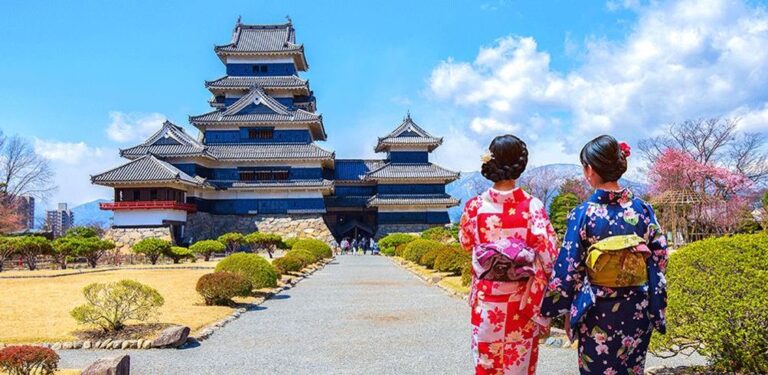
Inspiring Vacations Reviews Japan A Travelers Guide
Inspiring vacations reviews Japan offer a fascinating glimpse into the diverse experiences awaiting travelers. From bustling cityscapes to serene natural wonders, and from delectable culinary adventures to immersive cultural immersion, Japan provides a wealth of opportunities for unforgettable trips. This guide explores common review themes, analyzes ideal travel experiences, and presents visual representations of potential itineraries, ultimately aiming to inspire your own journey.
The unique blend of ancient traditions and modern marvels makes Japan an attractive destination for various travelers. Whether you’re a history enthusiast, a foodie, or an outdoor adventurer, Japan caters to your interests. Different vacation types, from city breaks to nature trips and culinary experiences, are examined in detail, allowing for personalized planning.
Introduction to Inspiring Vacations in Japan
Japan, a captivating blend of ancient traditions and modern innovation, offers a unique travel experience for those seeking inspiring vacations. From bustling cityscapes to serene natural landscapes, the country provides diverse opportunities for exploration and discovery. Its rich history, exquisite culture, and delectable cuisine create a tapestry of experiences that cater to various interests and preferences.
The appeal of Japan lies in its ability to seamlessly combine the familiar with the extraordinary. Ancient temples and castles stand alongside cutting-edge technology and vibrant street life. This juxtaposition allows travelers to delve into history while experiencing the dynamism of contemporary Japan. The country’s dedication to meticulous craftsmanship, evident in everything from traditional pottery to modern architecture, is a key element in its allure.
Popular Vacation Types in Japan
Japan caters to a wide range of vacation preferences. Whether you seek the thrill of city exploration, the tranquility of nature, or the culinary delights of a food tour, Japan has something to offer. These experiences often blend cultural immersion with personal discovery, allowing travelers to connect with the heart of Japan.
Comparing Vacation Types
The following table provides a comparative overview of different vacation types, highlighting their key characteristics:
| Vacation Type | Focus | Activities | Notable Features |
|---|---|---|---|
| City Break | Urban Exploration | Sightseeing, dining, shopping, exploring local markets | Lively atmosphere, historical sites, modern architecture, and diverse culinary scene |
| Nature Trip | Outdoor Adventures | Hiking, camping, wildlife viewing, visiting national parks, and relaxing by serene lakes or rivers | Scenic landscapes, tranquil environment, opportunities for mindfulness and rejuvenation |
| Culinary Experience | Gastronomic Delights | Food tours, cooking classes, fine dining experiences, exploring local markets and street food stalls | Diverse cuisine, unique culinary traditions, and opportunities to learn about Japanese food culture |
Exploring Review Themes
Reviews of inspiring vacations in Japan often highlight the unique blend of ancient traditions and modern advancements. Travelers frequently praise the meticulous attention to detail, the rich cultural experiences, and the stunning natural beauty. However, some common pitfalls and concerns also surface, offering valuable insights for potential visitors.
Understanding the common themes in reviews allows travelers to better anticipate their experiences and plan accordingly. By recognizing both the positive and negative aspects, travelers can make informed decisions and maximize their enjoyment of a trip to Japan.
Common Themes of Positive Experiences
Positive reviews consistently highlight the captivating blend of tradition and modernity. The meticulous attention to detail in Japanese hospitality, from meticulously crafted meals to the impeccable cleanliness of accommodations, frequently earns high praise. Immersive cultural experiences, such as traditional tea ceremonies, visits to ancient temples, and exploring bustling markets, are often cited as highlights. The breathtaking natural beauty of Japan, from serene mountain landscapes to vibrant coastal areas, is another frequently recurring element in positive reviews.
- Exquisite Cuisine: Reviews frequently praise the exquisite culinary experiences in Japan, emphasizing the fresh ingredients, innovative techniques, and presentation of Japanese dishes. The emphasis on seasonal ingredients and regional specialties adds to the appeal. Examples include “the sushi was absolutely fresh and perfectly prepared” and “the kaiseki dinner was a true culinary masterpiece.”
- Immersive Culture: Travelers often remark on the opportunity to deeply immerse themselves in Japanese culture through visits to temples, shrines, and traditional arts performances. Comments like “the tea ceremony was a profound experience” and “visiting the ancient temples was truly awe-inspiring” illustrate this sentiment.
- Stunning Scenery: The natural beauty of Japan, from majestic mountains to picturesque gardens, consistently inspires awe and wonder. Comments like “the cherry blossoms were breathtaking” and “hiking through the Japanese Alps was a dream come true” frequently appear in reviews.
Common Themes of Negative Experiences
While overwhelmingly positive, some reviews express concerns regarding accessibility, language barriers, and potential cultural misunderstandings. Some visitors may find the pace of life in certain areas, particularly in urban centers, to be overwhelming. Cost considerations also sometimes emerge as a point of concern for some travelers.
- Accessibility Issues: Some reviewers cite difficulties navigating public transportation or accessing certain locations, particularly for those with mobility limitations. Specific concerns about the lack of wheelchair accessibility or limited signage in some areas are frequently mentioned. For example, a review might say, “getting around was challenging due to limited English signage.”
- Language Barriers: Communication challenges can arise for travelers who don’t speak Japanese. This can be particularly evident in less tourist-centric areas or during interactions with locals who may not be fluent in English. Reviews might mention, “lack of English speakers made ordering food or asking for directions difficult.”
- Cost Considerations: The cost of accommodation, food, and activities in Japan can be a significant factor for some travelers. Reviews might comment on “the high cost of dining out” or “expensive transportation options.”
Cultural Sensitivity in Travel Reviews
Cultural sensitivity is crucial when evaluating travel experiences. Reviews should focus on factual observations rather than making generalizations or cultural judgments. Avoid using overly simplistic or stereotypical language. Instead, strive for nuanced observations and respectful commentary. For instance, instead of saying “Japanese people are rude,” a more appropriate comment would be “I found some service staff to be less approachable than I anticipated.”
Examples of Review Phrases and Sentiments
“The meticulous attention to detail in the hotel was impressive. Everything was spotless and the service was exceptional.”
“The Gion district was absolutely enchanting. I loved wandering through the narrow streets and taking in the atmosphere.”
“Navigating the subway system was initially challenging due to the lack of English signs, but I eventually figured it out.”
“The cost of dining out was higher than I anticipated, but the quality of the food was worth it.”
Analyzing Travel Experiences: Inspiring Vacations Reviews Japan
Source: inspiringvacations.com
Japan’s captivating blend of ancient traditions and modern innovation presents a unique travel experience. Understanding the ideal duration, seasonal nuances, and key locations is crucial for crafting an inspiring journey. This analysis delves into the factors that contribute to a memorable and fulfilling vacation in this fascinating archipelago.
A well-structured trip considers various elements, including the duration of stay, the best time to visit, essential destinations, accommodation preferences, transportation choices, and interactions with locals. Each aspect plays a vital role in shaping the overall experience.
Ideal Length of Stay
A fulfilling trip to Japan requires careful consideration of the desired experience. While a quick weekend getaway offers a taste of the culture, a longer stay allows for deeper immersion. A two-week itinerary is often ideal, permitting exploration of multiple regions and activities. This timeframe allows for visiting major cities like Tokyo and Kyoto, exploring scenic landscapes like the Japanese Alps, and experiencing cultural festivals. Shorter stays can also be rewarding but may necessitate prioritizing certain aspects, such as food experiences, or specific locations.
Seasonal Variations
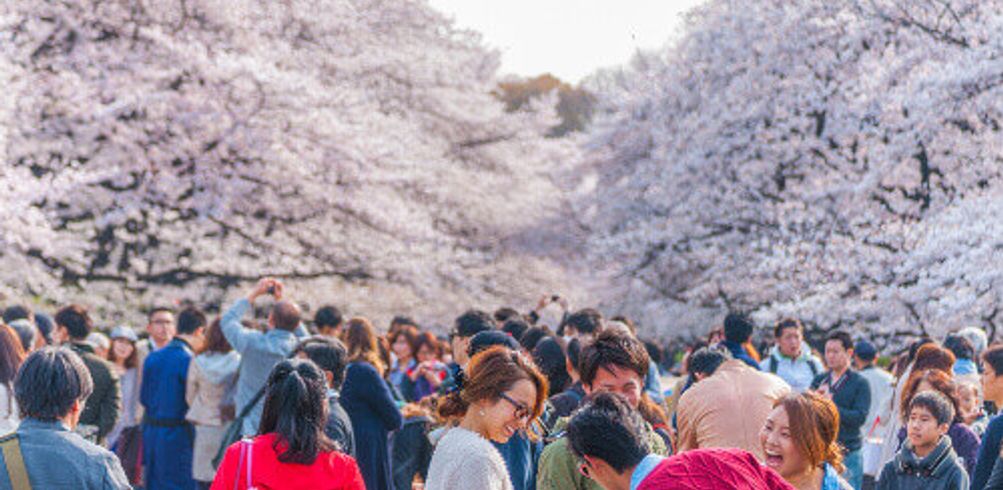
Japan’s beauty transforms with each season. Spring’s cherry blossoms paint a breathtaking spectacle, while summer’s vibrant festivals and warm weather offer unique experiences. Autumn’s fiery foliage provides a stunning backdrop for scenic hikes and leisurely strolls. Winter’s snow-capped mountains and festive celebrations present a different kind of charm.
- Spring (March-May): Cherry blossoms, vibrant festivals, and pleasant weather. Ideal for outdoor activities and cultural immersion. However, expect crowds.
- Summer (June-August): Warm weather, vibrant festivals, and opportunities for outdoor activities. The humid weather may be challenging for some. Consider visiting cooler mountainous regions.
- Autumn (September-November): Stunning foliage displays, crisp air, and fewer crowds than spring. A popular time for hiking and photography.
- Winter (December-February): Snow-covered landscapes, festive celebrations, and opportunities for winter sports. Some areas experience snowfall, which may affect transportation.
Must-Visit Locations
Japan offers a plethora of destinations, each with its own unique allure. The following examples cater to diverse interests.
- History Buffs: Kyoto, Nara, and Kanazawa offer ancient temples, shrines, and historical sites. Tokyo’s Imperial Palace and museums provide a glimpse into the nation’s past.
- Foodies: Tokyo’s diverse culinary scene, from Michelin-starred restaurants to street food stalls, is unparalleled. Kyoto’s traditional Kaiseki dining experiences offer an immersive culinary journey. Osaka’s vibrant street food and ramen culture is a must-try.
- Nature Enthusiasts: The Japanese Alps, the Hakone region, and the Kamikochi valley provide breathtaking scenery. National parks offer hiking trails and opportunities for wildlife viewing. The Japanese countryside provides a serene escape from urban life.
Accommodation Choice
Accommodation choice significantly impacts the overall experience. From traditional Ryokans to modern hotels, the options cater to varying budgets and preferences. Consider the location’s proximity to attractions and the desired level of comfort. A Ryokan offers a unique cultural immersion, while a modern hotel provides greater convenience.
Transportation
Efficient transportation is key to navigating Japan’s extensive network of cities and landscapes. Japan’s well-developed public transportation system, including bullet trains, subways, and buses, is remarkably efficient and convenient. Utilizing these methods ensures a seamless journey, especially when traveling between major cities. Rental cars are an option for exploring rural areas but can be less convenient within cities.
Local Interactions
Engaging with local communities enhances the travel experience. Learning basic Japanese phrases, showing respect for local customs, and engaging in conversations with locals provide valuable insights into the culture. These interactions create a more enriching and personalized experience, forging lasting memories.
Visualizing Inspiring Vacations
A truly inspiring vacation in Japan transcends mere sightseeing; it’s about immersion, discovery, and experiencing the authentic culture. Visualizing this journey involves not just destinations, but also the subtle details that contribute to a memorable experience. This section will Artikel a possible itinerary, highlight accommodation options, showcase a quintessential food experience, and Artikel essential packing items.
A well-planned itinerary is crucial for maximizing the enjoyment of a Japanese vacation. The visual representation, while subjective, can act as a helpful tool for travelers to craft their own inspiring adventures.
Typical Inspiring Vacation Itinerary, Inspiring vacations reviews japan
This itinerary focuses on experiencing diverse aspects of Japanese culture and nature, balancing iconic landmarks with local experiences. It suggests a 10-day journey, allowing flexibility for personal interests.
Day 1-3: Kyoto – Immerse yourself in traditional Japan, visiting temples, gardens, and enjoying the serene atmosphere.
Day 4-5: Kanazawa – Explore the preserved beauty of this historic city, known for its traditional crafts and canals.
Day 6-7: Tokyo – Experience the vibrant energy of Tokyo, visiting iconic landmarks, shopping districts, and exploring modern culture.
Day 8-9: Hakone – Escape the city bustle with a journey to Hakone, a mountain resort town renowned for its stunning views and onsen.
Day 10: Departure – Reflect on the experiences and prepare to return home, filled with unforgettable memories.
Recommended Accommodation Options
Various accommodation options cater to different budgets and preferences. This table highlights a few possibilities, showcasing the diverse range of lodging available in Japan.
| Accommodation Type | Location | Amenities | Price Range |
|---|---|---|---|
| Ryokan | Kyoto | Traditional Japanese rooms, onsen (hot spring), kaiseki dining | Mid-range |
| Hotel | Tokyo | Modern facilities, convenient location, high-speed internet, international dining options | High-end |
| Capsule Hotel | Osaka | Budget-friendly, compact rooms, shared bathrooms | Budget |
Memorable Japanese Food Experience
A truly memorable Japanese culinary experience lies in savoring the rich flavors of kaiseki. This multi-course traditional Japanese haute cuisine showcases the seasonality of ingredients and the artistry of presentation. The delicate balance of flavors and textures, paired with the meticulous attention to detail, elevates the dining experience to an art form. A kaiseki meal in Kyoto, surrounded by the traditional ambiance of a Ryokan, offers a profound taste of Japanese culture.
Essential Items to Pack
Careful packing is essential for a smooth and enjoyable trip. This table lists key items, emphasizing their importance for a comfortable and efficient vacation.
| Category | Items | Notes |
|---|---|---|
| Clothing | Comfortable walking shoes, light jackets, versatile clothing (e.g., trousers, skirts, t-shirts) | Pack layers for varying weather conditions, especially if traveling during spring or autumn. |
| Documents | Passport, visa (if required), travel insurance information, copies of important documents | Ensure all documents are valid and carry copies for security. |
| Accessories | Reusable water bottle, translation app, basic first-aid kit, comfortable backpack or carry-on luggage | Enhance convenience, eco-friendliness, and preparedness for potential issues. |
Experiences and Insights
Japanese hospitality is renowned for its warmth and meticulous attention to detail. Beyond the iconic politeness, a deeper understanding reveals a culture deeply rooted in respect and tradition, which significantly influences the visitor’s experience. This aspect is integral to the unique charm of a Japanese vacation.
Japanese hospitality, often characterized by a quiet and understated approach, fosters a sense of tranquility and genuine care for the guest’s well-being. This meticulous attention to detail is evident in everything from the impeccable cleanliness of public spaces to the thoughtful consideration shown in restaurant service.
Unique Aspects of Japanese Hospitality
Japanese hospitality transcends mere politeness; it’s a way of life. The concept of *omotenashi* encapsulates this philosophy, emphasizing proactive service and anticipating the needs of guests. This proactive approach is not only present in formal settings but also in everyday interactions, creating a consistently welcoming atmosphere. A key element is the emphasis on nonverbal communication and subtle cues, further enhancing the seamless guest experience.
Role of Local Customs and Traditions in Travel Experience
Japanese customs and traditions are deeply intertwined with the travel experience. Understanding these customs fosters a deeper appreciation for the culture and enables visitors to engage more meaningfully with the local environment. For instance, removing shoes before entering homes and specific dining etiquette significantly enhance the cultural immersion. Proper understanding and respect for these traditions are vital for a more enriching and culturally sensitive journey.
Importance of Respecting Cultural Norms
Respecting cultural norms is crucial for a positive and harmonious travel experience in Japan. Showing consideration for local customs demonstrates appreciation for the unique cultural heritage of Japan. For example, avoiding loud conversations in public spaces and adhering to queuing etiquette demonstrates respect for the social environment. This approach not only enhances the visitor’s experience but also fosters mutual understanding and respect.
Common Mistakes Tourists Make
Tourists, in their enthusiasm to explore, occasionally overlook essential cultural norms. Some common mistakes include failing to remove shoes before entering homes or temples, speaking loudly in public spaces, or disregarding queuing etiquette. Improper attire for specific occasions or failing to understand the subtle nuances of nonverbal communication can also lead to misunderstandings.
- Ignoring queue etiquette: Cutting in line or failing to respect the established queue order can be seen as disrespectful. This reflects a lack of awareness for social norms and can disrupt the flow of activity.
- Inappropriate attire: Certain locations or occasions require specific attire. For instance, dressing inappropriately for a temple visit can be perceived as disrespectful to the sacred space.
- Disregarding nonverbal cues: Understanding nonverbal communication, such as bowing and gestures, is essential for navigating social situations effectively.
- Failing to learn basic Japanese phrases: While English is spoken in tourist areas, demonstrating an effort to learn basic Japanese phrases shows respect and appreciation for the local language and culture.
- Disregarding local customs in dining: Proper dining etiquette, such as the use of chopsticks and specific table manners, is crucial for respectful dining.
Significance of Sustainable Tourism in Japan
Sustainable tourism is increasingly recognized as essential for preserving Japan’s natural and cultural heritage. Responsible travel practices, such as supporting local businesses, minimizing environmental impact, and respecting natural resources, are critical for long-term preservation. This approach not only safeguards the environment and local communities but also enhances the overall travel experience. Choosing eco-friendly accommodations and transportation options, supporting local artisans, and minimizing waste are all examples of sustainable tourism practices.
Wrap-Up
In conclusion, inspiring vacations in Japan are deeply enriching experiences, shaped by cultural nuances, historical significance, and natural beauty. Positive reviews consistently highlight the warmth of Japanese hospitality and the opportunities for cultural immersion. However, understanding cultural norms and potential pitfalls can enhance your experience. This guide, through its detailed analysis of review themes, travel experiences, and visual representation of itineraries, provides a comprehensive framework for planning your own unforgettable Japanese adventure. Ultimately, choosing the right vacation type, accommodation, and itinerary, paired with cultural sensitivity, will set the stage for a truly inspiring trip.